
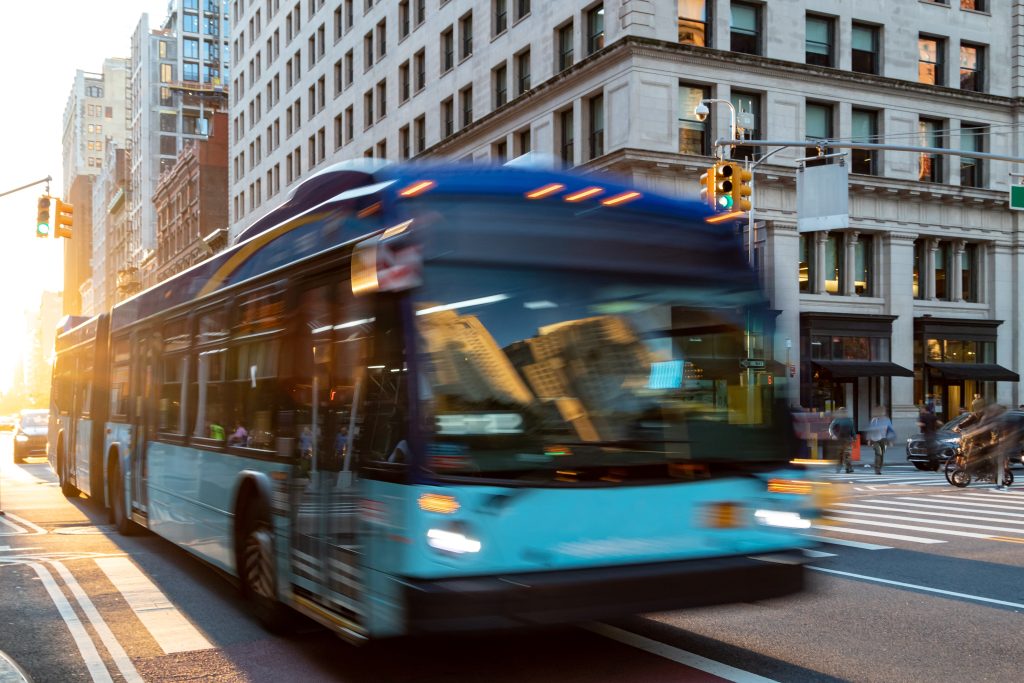
New York City’s vast and complex transit system serves millions daily, making it one of the busiest in the world. From subways and buses to taxis and rideshares, each mode of transportation presents its unique risks. Understanding these risks is critical to avoiding accidents and ensuring a safer commute.
Common Causes of Transit Accidents in NYC
Subway Accidents
The New York City subway system is an iconic part of the city’s landscape, but it’s not without its dangers.
- Platform Hazards: Crowded platforms, especially during rush hours, can lead to accidents. People may be pushed or jostled near the edge, increasing the risk of falls onto the tracks.
- Subway Door Injuries: Subway doors can close quickly and forcefully, potentially trapping limbs or belongings. Malfunctions or improper door maintenance can exacerbate this risk.
- Train Collisions and Derailments: While rare, train collisions and derailments are serious accidents that can lead to significant injuries or fatalities. These incidents often result from equipment failures or operator errors.
Bus Accidents
City buses are a common mode of transportation, but their large size and frequent stops present unique challenges.
- Driver Negligence: Bus drivers operate under pressure, often navigating congested streets and adhering to tight schedules. Distracted or fatigued drivers are more prone to causing accidents.
- Passenger Injuries: Sudden stops or sharp turns can cause passengers to lose their balance, leading to falls. Standing passengers are particularly vulnerable to these types of accidents.
- Pedestrian and Cyclist Risks: Buses share the road with pedestrians and cyclists, increasing the risk of collisions, especially when making turns or pulling into bus stops.
Taxi and Rideshare Accidents
Taxis and rideshares are popular for their convenience, but they come with their own set of risks.
- Driver Recklessness: Taxi and rideshare drivers may speed, weave through traffic, or make abrupt stops to pick up or drop off passengers. This aggressive driving style increases the likelihood of accidents.
- Vehicle Maintenance Issues: Unlike buses, taxis and rideshares may not be subject to the same rigorous maintenance checks. A poorly maintained vehicle can lead to mechanical failures, putting passengers at risk.
- Passenger Safety Concerns: The lack of seat belts or improperly functioning seat belts in some taxis can lead to more severe injuries in the event of an accident.
Steps to Avoid Transit Accidents in NYC
Stay Alert on Subways
When using the subway, always remain aware of your surroundings. Stand back from the platform edge, especially in crowded conditions. Avoid getting caught in the subway doors by waiting for the next train if the doors are closing. If you’ve been injured in a subway accident, consult our NYC subway accident lawyer in Queens, NY, today.
Practice Caution on Buses
Always hold onto a rail or seat on buses, especially if standing. Avoid rushing to board or exit the bus, which can lead to falls. If you’re a pedestrian or cyclist, be cautious around buses, particularly when they’re turning. If you’ve been injured in a bus accident, consult with our bus accident injury lawyer in Queens, NY, today.
Choose Reliable Rideshares
When using taxis or rideshares, choose drivers with good ratings and a safe driving history. Ensure the vehicle is in good condition, and always wear your seatbelt. If the driver is behaving recklessly, do not hesitate to ask them to drive more safely or end the ride.
What to Do If You’re Involved in a Transit Accident
Despite all precautions, accidents can still happen. Knowing how to respond can make a significant difference in protecting your rights and well-being.
Seek Immediate Medical Attention
Even if injuries seem minor, seek medical attention immediately. Some injuries may not be immediately apparent, and early medical intervention is crucial.
Document the Incident
Take photos of the accident scene, any involved vehicles, and your injuries. Gather contact information from witnesses and note key details, such as the time of day, weather conditions, and the driver’s or operator’s behavior.
Consult with a Transit Accident Attorney
Transit accident cases can be complex, involving multiple parties and legal nuances. Consulting with an experienced attorney is essential to navigating this process. An attorney can help you establish liability, negotiate with insurance companies, and secure the compensation you deserve.
New York City’s transit system is a vital part of life for millions, but it comes with inherent risks. By staying vigilant and taking proactive measures, you can reduce your chances of being involved in an accident. If you are involved in a transit accident, seeking legal advice to protect your rights is crucial. Contact us at Simon & Gilman, LLP in Queens, NY, to schedule your free initial consultation. Our dedicated attorneys are here to help you navigate the complexities of transit accident cases and obtain the compensation you need to recover.
Connect with us


