
If you’ve been injured in a construction accident (accidente de construcción), here’s some advice from a construction accident lawyer (abogado de accidentes de construcción) in Queens, NY, on the laws in New York that safeguard workers’ rights.
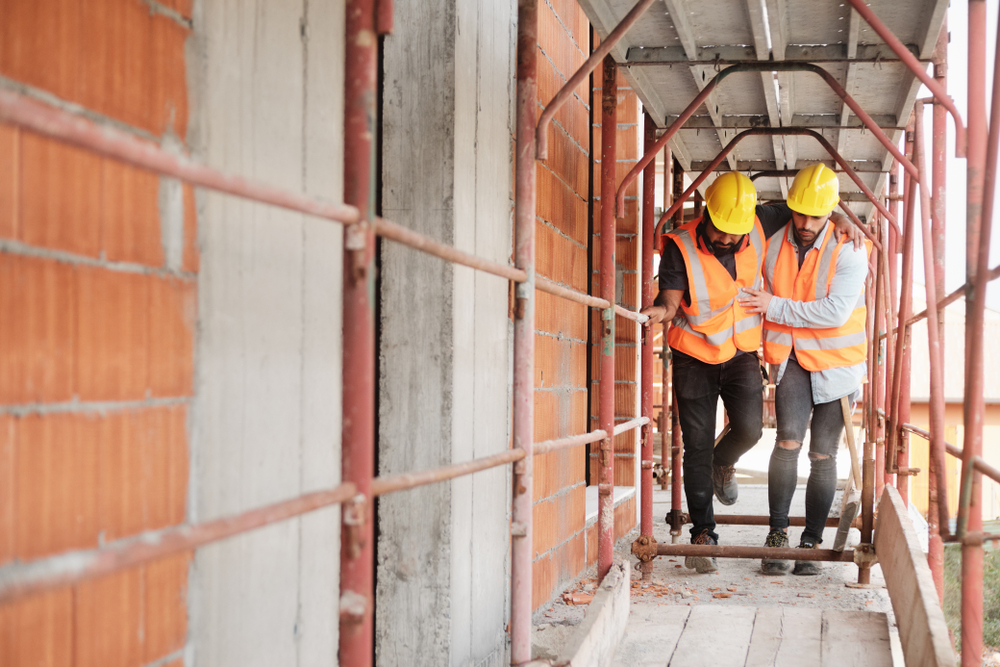
The most common types of construction accidents (accidentes de construcción) include falls from heights, such as scaffolding or ladders, which are often due to inadequate safety measures. Electrocutions are also prevalent, caused by exposed wiring or contact with power lines. Struck-by accidents occur when workers are hit by heavy equipment, tools, or materials. Additionally, caught-in/between incidents involve workers being trapped between machinery, collapsing structures, or building materials. Other frequent accidents include slip-and-falls on uneven surfaces and injuries from defective or malfunctioning equipment. Each of these accidents poses serious risks and often results from poor safety practices or negligence
Answers from a Construction Accident Lawyer (Abogado de Accidentes de Construcción) in Queens, NY
Workers’ Compensation
If you are injured in a construction accident (accidente de construcción), you have the right to file a workers’ compensation claim. In New York, almost all employers are required to carry workers’ compensation insurance to provide benefits to employees who are injured or become ill due to their job, regardless of fault. This can cover your medical expenses, a portion of your lost wages, and rehabilitation costs.
Protections under New York Labor Laws
If your injury resulted from a fall or failure to provide adequate safety measures, you have the right to file a lawsuit under New York law to hold the property owner or contractor responsible. New York has specific labor laws that provide extra protection to construction workers (trabajadores de construcción), especially when it comes to working at elevated heights.
Section 240 of the New York Labor Law, the “Scaffold Law,” requires owners and general contractors to provide proper safety equipment when workers are performing tasks at heights, such as on scaffolds or ladders. Section 241(6) of the New York Labor Law requires that construction sites (sitios de construcción) comply with certain safety standards.
Personal Injury Lawsuits
If your injury was caused by a third party, such as a negligent subcontractor, equipment manufacturer, or property owner, you have the right to file a personal injury lawsuit. A personal injury lawsuit can provide compensation for damages that workers’ compensation does not cover, including pain and suffering, loss of future earnings, and emotional distress. There may be some other situations where you’re able to bring a lawsuit, but you’ll need to talk to your lawyer to be sure.
In a lawsuit, your lawyer will compile evidence, file the claim with the appropriate court, and then enter into negotiations with the other party. These claims are often settled out of court; but if the amount being offered does not fairly cover your losses, your attorney will take things into the courtroom and fight for your rights there.
Legal Representation
After an accident (accidente), you have the right to hire legal representation. A qualified construction accident attorney (abogado de accidentes de construcción) can advise you on the law, how it applies to your situation, and what the best course of action is. And if you decide to pursue compensation through legal means, they can help you walk through the steps to seek compensation.
Filing Deadlines and Statutes of Limitations
Be aware that there are time limits for taking legal action after a construction accident (accidente de construcción). For workers’ compensation claims, you typically have 30 days from the date of your accident (accidente) to notify your employer. To file a personal injury lawsuit or a third-party claim, the statute of limitations in New York is generally three years from the date of the accident (accidente).
To learn more about your legal options after a construction accident (accidente de construcción) and to get help, contact us at Simon & Gilman, LLP, in Queens, NY.
Connect with us


